
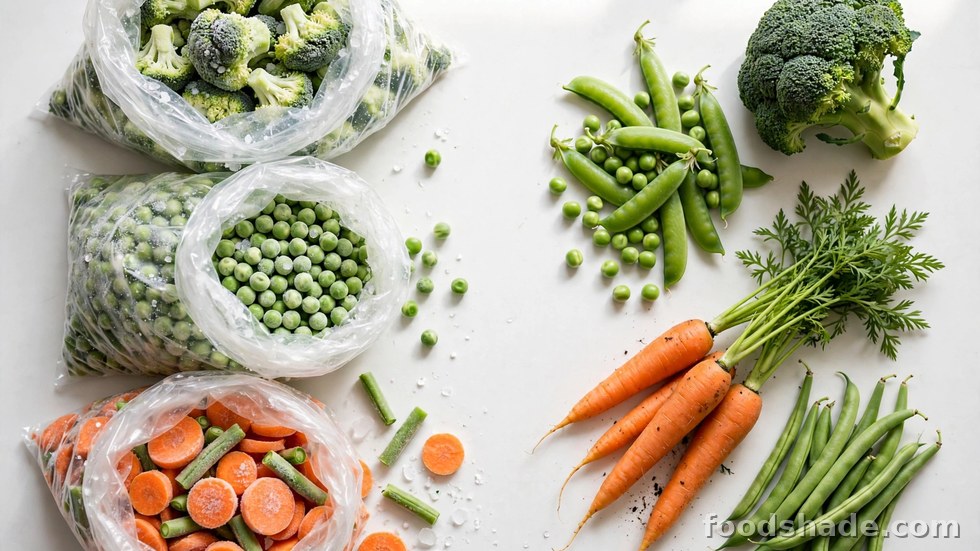
Frozen vegetables carry an unfair reputation in Canada, as if they were a lesser choice. In reality they are picked ripe, frozen within hours, cost half the price of out-of-season fresh produce in February, and never go limp in the crisper. For meal prep, frozen often wins outright.
In this guide, you will see exactly how frozen versus fresh vegetables works in a real Canadian kitchen, what it costs, and where the savings actually come from. The whole system takes about 5 minutes a week, and the benefit is simple: this approach saves about 50 percent versus out-of-season fresh. No coupons, no extreme budgeting, just a $6 plan that fits a normal life.
Table of Contents
Why Frozen versus fresh vegetables Matters for Your Grocery Budget
Groceries are one of the largest flexible costs in a Canadian household, and small changes on a $6 shop add up fast. This $6 system works because it targets the spending that is easiest to control: the unplanned trips, the duplicate purchases, and the food that goes off before you use it.
The numbers are encouraging. Used consistently, this approach saves about 50 percent versus out-of-season fresh, and it does so without asking you to eat less well. The food stays the same, only the planning changes, and that is why the $6 habit actually sticks.
It helps to think of the $6 routine as a system rather than a single trick. The first week is about learning the steps, the second week is about smoothing them out, and by the third week you will notice the difference in your $6 spending without having to think about it. That is when the $6 habit starts paying for itself, week after week, all year long.
How It Works in Practice
The $6 system is simple, and it starts before you leave the house. Everything on the list below covers weekly cooking, and none of it takes more than a few minutes once you have done it twice.
- Frozen broccoli florets for stir-fries and bowls
- Frozen peas for soups: pastas, and fried rice
- Frozen mixed vegetables for quick side dishes
- Frozen spinach for soups: curries, and egg muffins
- Frozen green beans for sheet pan meals
- Fresh vegetables for salads and raw crunch
- Fresh herbs: which frozen cannot replace
- A permanent spot in the freezer for three bags
The key is consistency, not perfection. If you follow the $6 routine most weeks, the savings show up within a month, and the habit becomes automatic faster than you might expect.
A Worked Example: The Numbers
Here is what a typical $6 week looks like. The full routine costs about $6 and covers weekly cooking, which works out to a few dollars per meal. The biggest single saving comes from frozen peas, broccoli, and mixed vegetables, and the rest comes from the small decisions that add up across the week.
Where the Savings Come From
Most of the saving on a $6 shop comes from three places: buying the right things on special, wasting less of what you buy, and cooking in batches instead of ordering takeout. None of these is dramatic on its own, but together they saves about 50 percent versus out-of-season fresh.
Common Mistakes to Avoid
A few mistakes undo most of the $6 benefit. Thawing frozen vegetables before cooking, which makes them soggy. Overcooking them until they go grey. And paying full price for fresh peppers in january. Avoid those three and the $6 system mostly takes care of itself.
The One Habit That Matters Most
Frozen vegetables are already blanched, so cook them less. Spread them on the pan so they roast instead of steaming. That single habit, repeated every week for 5 minutes, is worth more than any coupon or sale, because it works even in weeks when nothing is on special.
Putting It Into Your Weekly Routine
Start this week at No Frills, not next month. Pick one evening, spend 5 minutes on the planning, and shop with the list. If you want a companion guide, Copycat Freshii Buddha Bowl: Build Your Own at Home pairs well with this one, because it covers the cooking side of the same weekly routine.
After two or three weeks, the routine will feel natural, and you can add Pork Tenderloin Meal Prep with Roasted Root Vegetables to stretch the savings further. The goal is not a perfect system, it is a $6 system you actually keep using.
Frequently Asked Questions
How much can I really save with frozen versus fresh vegetables?
Once the routine settles in, this approach saves about 50 percent versus out-of-season fresh for most households. The first week of the $6 routine is usually smaller as you learn the system, and the savings grow as you stop buying duplicates and wasting food. Over a full year, the $6 routine adds up to hundreds of dollars, which is a small holiday, a car repair, or simply less stress at the till.
Does this work at other Canadian stores?
Yes. The examples use No Frills, but the same approach works at any Canadian grocery store. Canned vegetables can fill the same role in soups and stews, though they are saltier, and fresh is still best for anything eaten raw.
How much time does frozen versus fresh vegetables take each week?
About 5 minutes a week, plus the normal shopping and cooking time you would spend anyway. Most of that $6 routine is planning, and it drops quickly as the routine becomes familiar.
What is the best way to start with frozen versus fresh vegetables?
Start small. Season frozen vegetables well, they need the help. Pick one week, follow the steps for weekly cooking exactly, and see how it feels before changing anything. A simple start beats an ambitious plan you abandon.
Final Verdict
Frozen versus fresh vegetables will not make you rich, but it will make your grocery money go further without making meals worse. It takes 5 minutes a week, it works at No Frills and beyond, and the payoff is steady: this approach saves about 50 percent versus out-of-season fresh. Try it for one month, and check How to Meal Prep with Dollar Store Finds in Canada for the next step.